New Construction
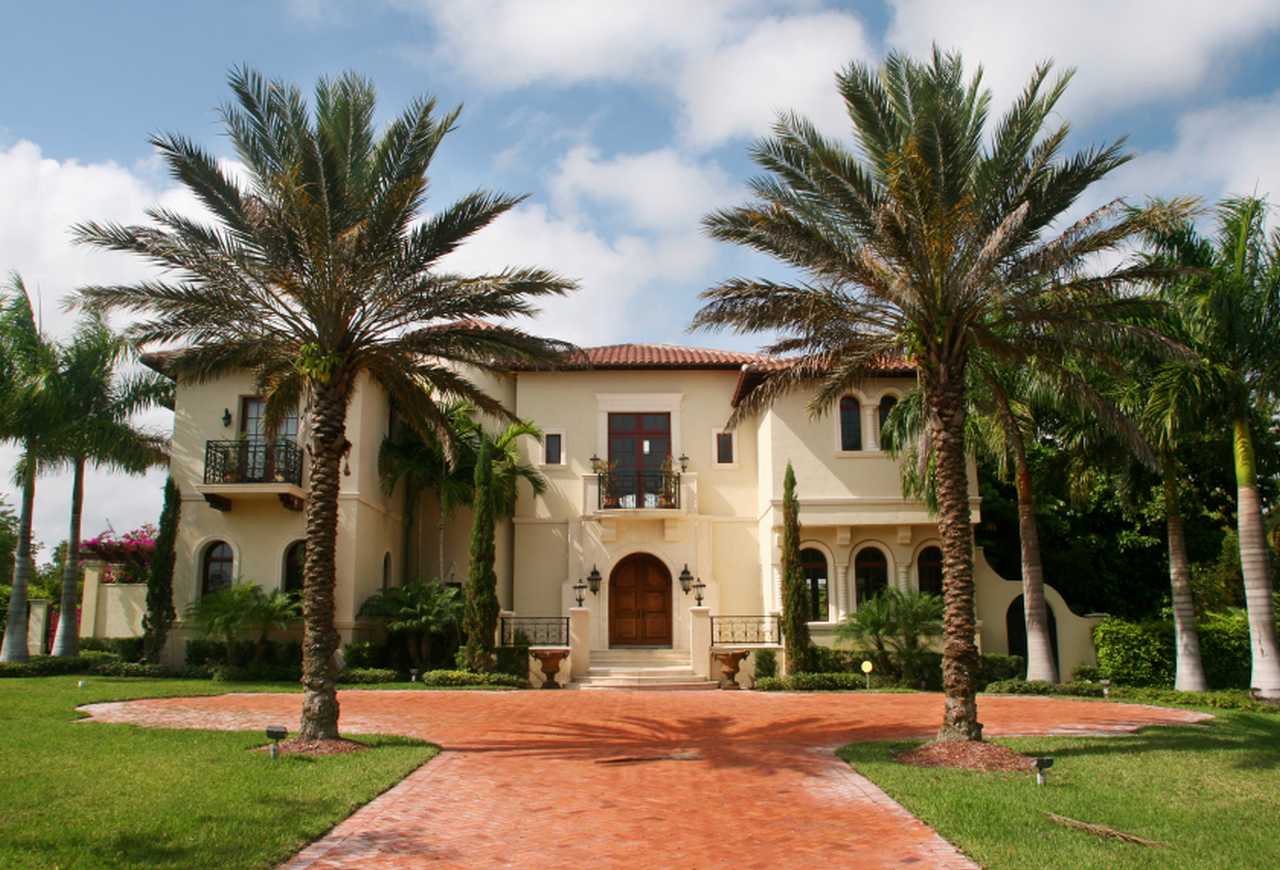
New construction in Miami-Dade and Broward needs early coordination for plans, permits, shell work, inspections, utilities, and finish selections so the project can move forward in an organized way.
The original terms page was a large glossary. This new version keeps the educational purpose and turns it into easier-to-scan guidance for owners comparing contractors and construction scopes.
The details below explain the service scope, planning considerations, and construction coordination behind this type of project.
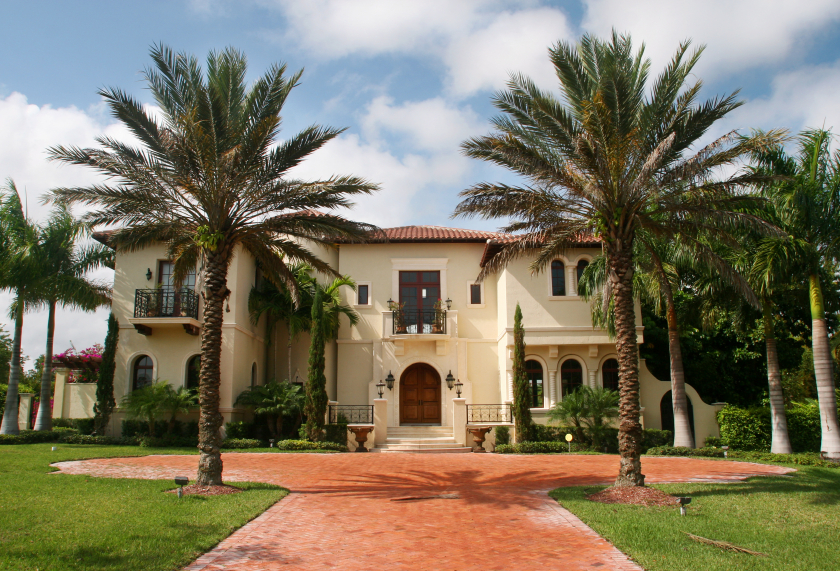
New construction in Miami-Dade and Broward needs early coordination for plans, permits, shell work, inspections, utilities, and finish selections so the project can move forward in an organized way.
As a remodeling contractor for Miami, Hollywood, Fort Lauderdale, Pembroke Pines, Miramar, Plantation, Hallandale Beach, Sunrise, Weston, and Pompano Beach, Active Builders plans work around existing conditions and daily use.
Design/build services help owners connect ideas, drawings, budgets, construction details, and field decisions under one practical process.
Architectural design coordination helps align the owner goals with code requirements, structural planning, interior flow, and exterior details.
Construction management keeps scheduling, trades, inspections, materials, and owner communication organized from pre-design through completion.
Additions and renovations are planned around structure, utilities, roof lines, windows, doors, finishes, and how the new work connects to the existing property.
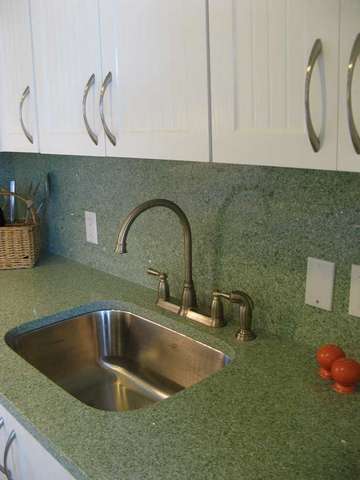
Kitchen remodeling in South Florida combines cabinet planning, countertops, appliances, flooring, plumbing, electrical, lighting, and ventilation into one coordinated scope.
Bathroom remodeling focuses on waterproofing, tile layout, plumbing fixtures, ventilation, vanities, lighting, storage, and durable finishes.
Electrical work is coordinated with lighting plans, appliance locations, bathroom and kitchen circuits, code requirements, and inspection needs.
Mechanical planning supports comfort, ventilation, equipment access, and coordination with framing, ceilings, walls, and finishes.
Plumbing coordination is essential for kitchens, bathrooms, additions, repairs, fixture placement, rough-ins, and final finish installation.
Roofing work is reviewed with weather exposure, drainage, connections, repairs, additions, and long-term South Florida durability in mind.
Air conditioning repairs and related coordination help keep remodeled spaces comfortable while respecting equipment access and existing systems.
Concrete contractor services include slabs, restoration, shell work, masonry, structural repairs, spalling repairs, and site elements for Miami-Dade and Broward properties.
Structural work is coordinated with drawings, inspections, reinforcement, repairs, framing, concrete, masonry, and safe sequencing.
Spalling repair requires careful review of damaged concrete, exposed reinforcement, repair materials, protection, and finish conditions.
Condominium maintenance and repairs require clean communication, access planning, building coordination, and respect for occupied spaces.
Masonry work supports concrete, shell, walls, openings, repairs, and durable exterior or structural conditions.
Spalling contractor work is handled with attention to concrete condition, repair preparation, reinforcement, and coating or finish protection.
New floors are coordinated with demolition, substrate preparation, transitions, moisture concerns, trim, and the intended use of each room.
Decks, patios, sunrooms, and covers extend living space while requiring attention to drainage, structure, exposure, and finish materials.
Framing and finishing connect the hidden construction work with the visible final surfaces, from layout and openings to drywall, trim, and paint.
Fences and gates are planned around access, security, property use, material choice, and exterior exposure.
Cabinetry is coordinated with layout, storage needs, appliances, countertops, hardware, flooring, and lighting.
Stucco work needs proper preparation, repair, texture matching, curing, and coating selection for South Florida conditions.
Painting is strongest when surface preparation, priming, patching, caulking, product selection, and finish details are handled correctly.
Windows and doors are coordinated with openings, waterproofing, trim, security, energy performance, and final finish work.
Miami and Broward general contractor. New Construction and Remodeling in South Florida. Fort Lauderdale general contractor. About bid shopping practice.
Miami and Broward Remodeling Contractor
General Contractor:. Contractor who constructs a building or other improvement for the Owner or Developer. The contractor may retain a construction labor force or use Subcontractors.
One who constructs a building or other Improvement for the owner or Developer. May retain a construction labor force or use Subcontractors.
A general contractor is a group or individual that contracts with another organization or individual (the owner) for the construction, renovation or demolition of a building, road or other structure. A general contractor is defined as such if it is the signatory as the builder of the prime construction contract for the project.
A general contractor is responsible for the means and methods to be used in the construction execution of the project in accordance with the contract documents. Said contract documents usually include the contract agreement including budget, the general and special conditions and the plans and specification of the project that are prepared by a design professional such as an architect.
A general contractor usually is responsible for the supplying of all material, labor, equipment, (engineering vehicles and tools) and services necessary for the construction of the project. To do this it is common for the general contractor to subcontract part of the work to other persons and companies that specialize in these types of work. These are called subcontractors.
General contractors conducting work for government agencies are typically referred to as prime contractors. The responsibilities of a prime contractors working under a contract are essentially identical to those outlined above. In many cases, prime contractors will delegate portions of the contract work to subcontractors.
Most contractors are required to be licensed in each state and may be required to take an oral and written exam.
A - B - C - D - E - F - G - H - I - J - K - L - M - N - O - P - Q - R - S - T - U - V - W - X - Z
A/C Condenser. The outside fan unit of the Air Conditioning system. It removes the heat from the freon gas and "turns" the gas back into a liquid and pumps the liquid back to the coil in the furnace.
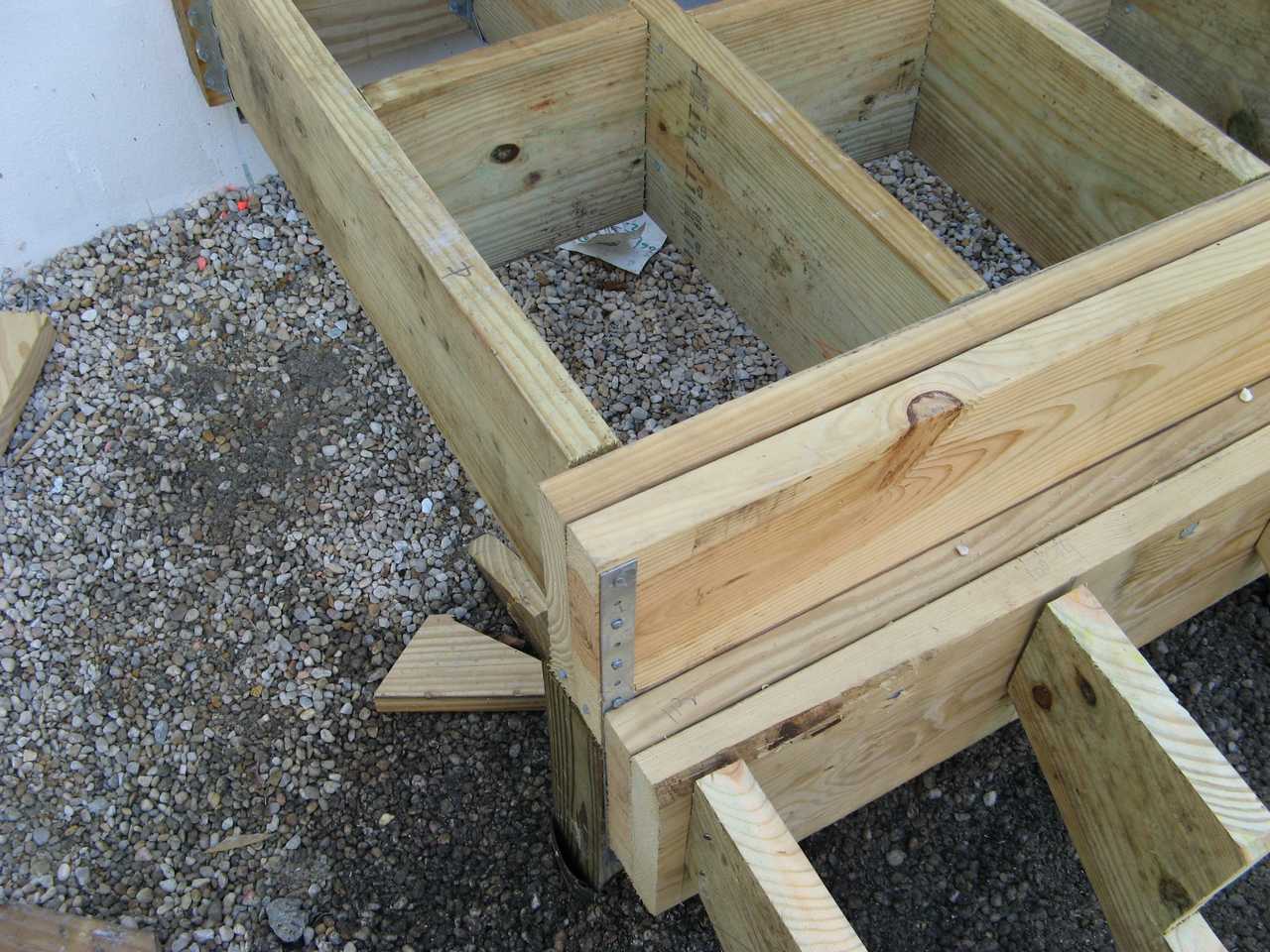
A/C Disconnect. The main electrical ON-OFF switch near the A/C Condenser.
Allowance(s). A sum of money set aside in the construction contract for items which have not been selected and specified in the construction contract. For example, selection of tile as a flooring may require an allowance for an underlayment material, or an electrical allowance which sets aside an amount of money to be spent on electrical fixtures.
Apron. A trim board that is installed beneath a window sill
Attic access. An opening that is placed in the drywalled ceiling of a home providing access to the attic.
Backfill. The replacement of excavated earth into a trench around or against a basement /crawl space foundation wall.
Bay window. Any window space projecting outward from the walls of a building, either square or polygonal in plan.
Bearing partition. A partition that supports any vertical load in addition to its own weight.
Bid. A formal offer by a contractor, in accordance with specifications for a project, to do all or a phase of the work at a certain price in accordance with the terms and conditions stated in the offer.
Bid security Funds or a bid bond submitted with a bid as a guarantee to the recipient of the bid that the contractor, if awarded the contract, will execute the contract in accordance with the bidding requirements of the contract documents.
Bid Shopping. Any practice involving the provision of information to a prospective contractor or subcontractor that a competitor has submitted a lower price than that of the prospective contractor or subcontractor and the offer to such contractor or subcontractor of an opportunity to underbid the competitor.
Blocking Small wood pieces to brace framing members or to provide a nailing base for gypsum board or paneling.
Blue print(s). A type of copying method often used for architectural drawings. Usually used to describe the drawing of a structure which is prepared by an architect or designer for the purpose of design and planning, estimating, securing permits and actual construction.
Bond or bonding. An amount of money (usually $5,000-$10,000) which must be on deposit with a governmental agency in order to secure a contractor's license. The bond may be used to pay for the unpaid bills or disputed work of the contractor. Not to be confused with a 'performance bond'. Such bonds are rarely used in residential construction, they are an insurance policy which guarantees proper completion of a project.
Boom. A truck used to hoist heavy material up and into place. To put trusses on a home or to set a heavy beam into place.
Brace. An inclined piece of framing lumber applied to wall or floor to strengthen the structure. Often used on walls as temporary bracing until framing has been completed.
Built-up roof. A roofing composed of three to five layers of asphalt felt laminated with coal tar, pitch, or asphalt. The top is finished with crushed slag or gravel. Generally used on flat or low-pitched roofs.
Bundle. A package of shingles. Normally, there are 3 bundles per square and 27 shingles per bundle.
Butt joint. The junction where the ends of two timbers meet, and also where sheets of drywall meet on the 4 foot edge. To place materials end-to-end or end-to-edge without overlapping.
Casing. Wood trim molding installed around a door or window opening.
Change order. A written document which modifies the plans and specifications and/or the price of the construction Contract.
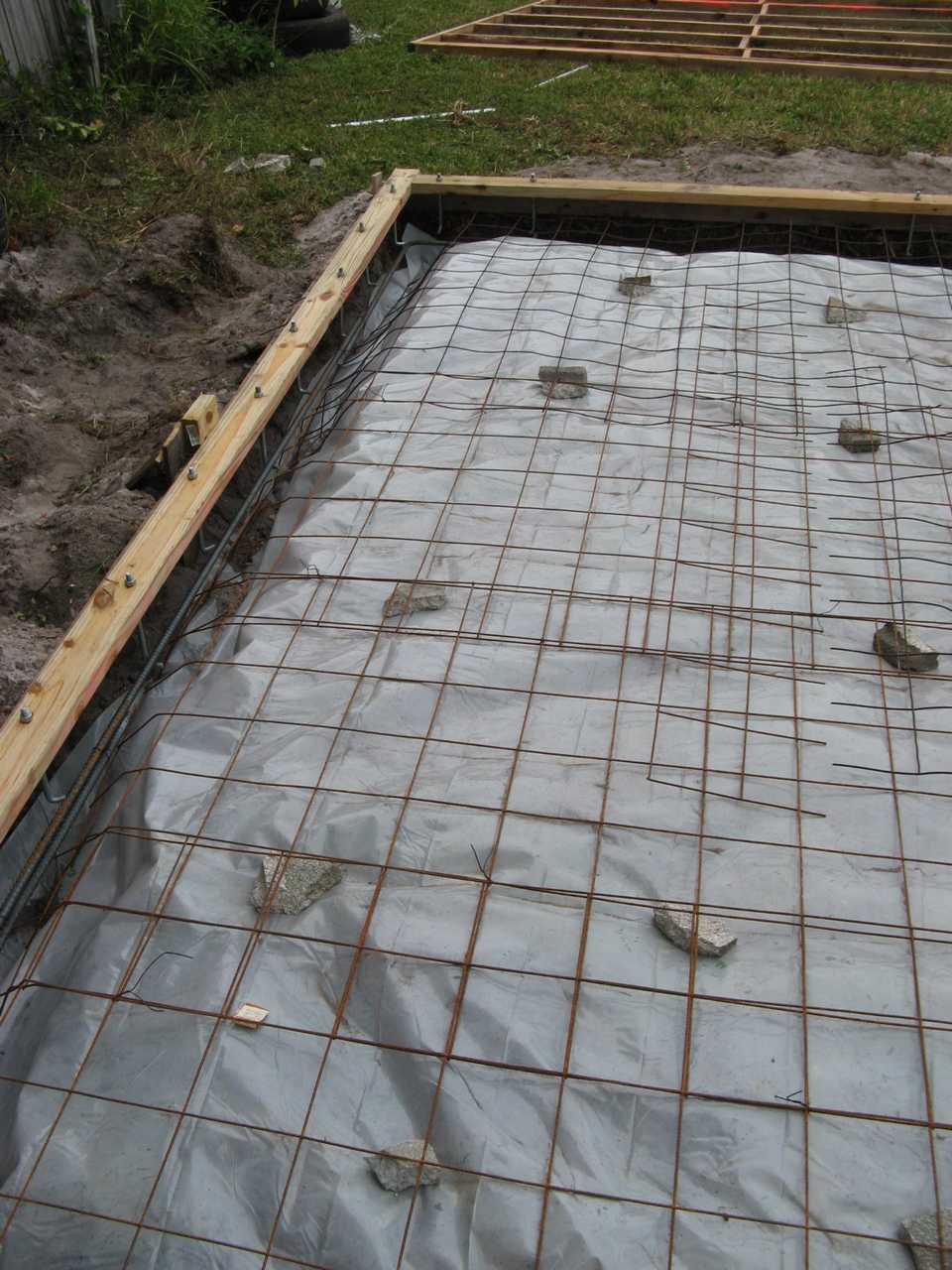
Concrete. The mixture of Portland cement, sand, gravel, and water. Used to make garage and basement floors, sidewalks, patios, foundation walls, etc. It is commonly reinforced with steel rods (rebar) or wire screening (mesh).
Concrete block. A hollow concrete 'brick' often 8" x 8" x 16" in size.
Concrete board. A panel made out of concrete and fiberglass usually used as a tile backing material.
Control joint. Tooled, straight grooves made on concrete floors to "control" where the concrete should crack.
Crawl space. A shallow space below the living quarters of a house, normally enclosed by the foundation wall and having a dirt floor.
Cricket. A second roof built on top of the primary roof to increase the slope of the roof or valley. A saddle-shaped, peaked construction connecting a sloping roof with a chimney. Designed to encourage water drainage away from the chimney joint.
Damper. A metal "door" placed within the fireplace chimney. Normally closed when the fireplace is not in use.
Doorjamb, interior The surrounding case into which and out of which a door closes and opens. It consists of two upright pieces, called side jambs, and a horizontal head jamb. These 3 jambs have the "door stop" installed on them.
Downspout. A pipe, usually of metal, for carrying rainwater down from the roof's horizontal gutters.
Drywall. Wall board or gypsum- A manufactured panel made out of gypsum plaster and encased in a thin cardboard. Usually 1/2" thick and 4' x 8' or 4' x 12' in size. The panels are nailed or screwed onto the framing and the joints are taped and covered with a 'joint compound'. 'Green board' type drywall has a greater resistance to moisture than regular (white) plasterboard and is used in bathrooms and other "wet areas".
Ducts. The heating system. Usually round or rectangular metal pipes installed for distributing warm (or cold) air from the furnace to rooms in the home. Also a tunnel made of galvanized metal or rigid fiberglass, which carries air from the heater or ventilation opening to the rooms in a building.
Easement. A formal contract which allows a party to use another party's property for a specific purpose. e.g. A sewer easement might allow one party to run a sewer line through a neighbors property.
Eaves. The horizontal exterior roof overhang.
Estimate. The amount of labor, materials, and other costs that a contractor anticipates for a project as summarized in the contractor's bid proposal for the project.
Estimating. The process of calculating the cost of a project. This can be a formal and exact process or a quick and imprecise process.
Expansion joint. Fibrous material (@1/2" thick) installed in and around a concrete slab to permit it to move up and down (seasonally) along the non-moving foundation wall.
Expansive soils. Earth that swells and contracts depending on the amount of water that is present. ("Betonite" is an expansive soil).
Exposed aggregate finish. A method of finishing concrete which washes the cement/sand mixture off the top layer of the aggregate - usually gravel. Often used in driveways, patios and other exterior surfaces.
Extras. Additional work requested of a contractor, not included in the original plan, which will be billed separately and will not alter the original contract amount, but increase the cost of building the home.
Fire-resistive or Fire rated. Applies to materials that are not combustible in the temperatures of ordinary fires and will withstand such fires for at least 1 hour. Drywall used in the garage and party walls are to be fire rated, 5/8", Type X.
Fire retardant chemical. A chemical or preparation of chemicals used to reduce the flammability of a material or to retard the spread of flame.
Fire stop. A solid, tight closure of a concealed space, placed to prevent the spread of fire and smoke through such a space. In a frame wall, this will usually consist of 2 by 4 cross blocking between studs. Work performed to slow the spread of fire and smoke in the walls and ceiling (behind the drywall). Includes stuffing wire holes in the top and bottom plates with insulation, and installing blocks of wood between the wall studs at the drop soffit line. This is integral to passing a Rough Frame inspection. See also 'Fire block'.
Fixed price contract. A contract with a set price for the work. See Time and Materials Contract.
Flashing. Sheet metal or other material used in roof and wall construction to protect a building from water seepage.
Floating. The next-to-last stage in concrete work, when you smooth off the job and bring water to the surface by using a hand float or bull float.
Fly rafters. End rafters of the gable overhang supported by roof sheathing and lookouts.
Footer, footing. Continuous 8" or 10" thick concrete pad installed before and supports the foundation wall or monopost.
Form. Temporary structure erected to contain concrete during placing and initial hardening.
Foundation. The supporting portion of a structure below the first floor construction, or below grade, including the footings.
Foundation ties. Metal wires that hold the foundation wall panels and rebar in place during the concrete pour.
Foundation waterproofing. High-quality below-grade moisture protection. Used for below-grade exterior concrete and masonry wall damp-proofing to seal out moisture and prevent corrosion. Normally looks like black tar.
Framing. Lumber used for the structural members of a building, such as studs, joists, and rafters.
Frieze. In house construction a horizontal member connecting the top of the siding with the soffit of the cornice.
Furring strips. Strips of wood, often 1 X 2 and used to shim out and provide a level fastening surface for a wall or ceiling.
Fuse. A device often found in older homes designed to prevent overloads in electrical lines. This protects against fire. See also 'circuit breakers'.
GFCI, or GFI. Ground Fault Circuit Interrupter- an ultra sensitive plug designed to shut off all electric current. Used in bathrooms, kitchens, exterior waterproof outlets, garage outlets, and "wet areas". Has a small reset button on the plug.
Gable. The end, upper, triangular area of a home, beneath the roof.
Girder. A large or principal beam of wood or steel used to support concentrated loads at isolated points along its length.
Glazing. The process of installing glass, which commonly is secured with glazier's points and glazing compound.
Gloss enamel. A finishing paint material. Forms a hard coating with maximum smoothness of surface and dries to a sheen or luster (gloss).
Glued Laminated Beam (Glulam). A structural beam composed of wood laminations or lams. The lams are pressure bonded with adhesives to attain a typical thickness of 1 ½". (It looks like 5 or more 2 X 4's are glued together).
Grade beam. A foundation wall that is poured @ level with or just below the grade of theearth. An example is the area where the 8' or 16' overhead garage door "block out" is located, or a lower (walk out basement) foundation wall is poured.
Grain. The direction, size, arrangement, appearance, or quality of the fibers in wood.
Grid. The completed assembly of main and cross tees in a suspended ceiling system before the ceiling panels are installed. Also the decorative slats (munton) installed between glass panels.
Ground fault. Ground Fault Circuit Interrupter (GFCI, GFI)- an ultra sensitive plug designed to shut off all electric current. Used in bathrooms, kitchens, exterior waterproof outlets, garage outlets, and "wet areas". Has a small reset button on the plug.
Grout. A wet mixture of cement, sand and water that flows into masonry or ceramic crevices to seal the cracks between the different pieces. Mortar made of such consistency (by adding water) that it will flow into the joints and cavities of the masonry work and fill them solid.
Gutter. A shallow channel or conduit of metal or wood set below and along the (fascia) eaves of a house to catch and carry off rainwater from the roof.
Header. (a) A beam placed perpendicular to joists and to which joists are nailed inframing for a chimney, stairway, or other opening. (b) A wood lintel. (c) The horizontal structural member over an opening (for example over a door or window).
Hip. A roof with four sloping sides. The external angle formed by the meeting of two sloping sides of a roof.
Hip roof. A roof that rises by inclined planes from all four sides of a building.
Home run (electrical). The electrical cable that carries power from the main circuit breaker panel to the first electrical box, plug, or switch in the circuit.
Honey combs. The appearance concrete makes when rocks in the concrete are visible and where there are void areas in the foundation wall, especially around concrete foundation windows.
Hose bib. An exterior water faucet (sill cock).
Hot wire. The wire that carries electrical energy to a receptacle or other device—in contrast to a neutral, which carries electricity away again. Normally the black wire. Also see ground.
Humidifier. An appliance normally attached to the furnace, or portable unit device designed to increase the humidity within a room or a house by means of the discharge of water vapor.
Hurricane clip. Metal straps that are nailed and secure the roof rafters and trusses to the top horizontal wall plate. Sometimes called a Teco clip.
I-beam. A steel beam with a cross section resembling the letter I. It is used for long spans as basement beams or over wide wall openings, such as a double garage door, when wall and roof loads bear down on the opening.
I-joist. Manufactured structural building component resembling the letter "I". Used as floor joists and rafters. I-joists include two key parts: flanges and webs. The flange of the I joist may be made of laminated veneer lumber or dimensional lumber, usually formed into a 1 ½" width. The web or center of the I-joist is commonly made of plywood or oriented strand board (OSB). Large holes can be cut in the web to accommodate duct work and plumbing waste lines. I-joists are available in lengths up to 60 feet long.
Infiltration. The passage of air from indoors to outdoors and vice versa; term is usually associated with drafts from cracks, seams or holes in buildings.
Insulating glass. Window or door in which two panes of glass are used with a sealed air space between. Also known as Double glass.
Insulation. Any material high in resistance to heat transmission that, when placed in the walls, ceiling, or floors of a structure, and will reduce the rate of heat flow.
Irrigation. Lawn sprinkler system.
J Channel. Metal edging used on drywall to give the edge a better finished appearance when a wall is not "wrapped" Generally, basement stairway walls have drywall only on the stair side. J Channel is used on the vertical edge of the last drywall sheet.
Jack post. A type of structural support made of metal, which can be raised or lowered through a series of pins and a screw to meet the height required. Basically used as a replacement for an old supporting member in a building. See Monopost.
Jack rafter. A rafter that spans the distance from the wall plate to a hip, or from a valley to a ridge.
Jamb. The side and head lining of a doorway, window, or other opening. Includes studs as well as the frame and trim.
Joint. The location between the touching surfaces of two members or components joined and held together by nails, glue, cement, mortar, or other means.
Knot. In lumber, the portion of a branch or limb of a tree that appears on the edge or face of the piece.
Laminated shingles. Shingles that have added dimensionality because of extra layers or tabs, giving a shake-like appearance. May also be called "architectural shingles" or "three-dimensional shingles.".
Laminating. Bonding together two or more layers of materials.
Landing. A platform between flights of stairs or at the termination of a flight of stairs. Often used when stairs change direction. Normally no less than 3 ft. X 3 ft. square.
Lap. To cover the surface of one shingle or roll with another.
Latch. A beveled metal tongue operated by a spring-loaded knob or lever. The tongue's bevel lets you close the door and engage the locking mechanism, if any, without using a key. Contrasts with dead bolt.
Lath. A building material of narrow wood, metal, gypsum, or insulating board that is fastened to the frame of a building to act as a base for plaster, shingles, or tiles.
Ledger (for a Structural Floor). The wooden perimeter frame lumber member that bolts onto the face of a foundation wall and supports the wood structural floor.
Ledger strip. A strip of lumber nailed along the bottom of the side of a girder on which joists rest.
Lien. An encumbrance that usually makes real or personal property the security for payment of a debt or discharge of an obligation.
Lintel. A horizontal structural member that supports the load over an opening such as a door or window.
Load bearing wall. Includes all exterior walls and any interior wall that is aligned above a support beam or girder. Normally, any wall that has a double horizontal top plate.
Lookout. A short wood bracket or cantilever that supports an overhang portion of a roof.
Louver. A vented opening into the home that has a series of horizontal slats and arranged to permit ventilation but to exclude rain, snow, light, insects, or other living creatures.
Lumens. Unit of measure for total light output. The amount of light falling on a surface of one square foot.
Male. Any part, such as a bolt, designed to fit into another (female) part. External threads are male.
Mantel. The shelf above a fireplace opening. Also used in referring to the decorative trim around a fireplace opening.
Manufactured wood. A wood product such as a truss, beam, gluelam, microlam or joist which is manufactured out of smaller wood pieces and glued or mechanically fastened to form a larger piece. Often used to create a stronger member which may use less wood. See also Oriented Strand Board.
Masonry. Stone, brick, concrete, hollow-tile, concrete block, or other similar building units or materials. Normally bonded together with mortar to form a wall.
Mastic. A pasty material used as a cement (as for setting tile) or a protective coating (as for thermal insulation or waterproofing).
Metal lath Sheets of metal that are slit to form openings within the lath. Used as a plaster base for walls and ceilings and as reinforcing over other forms of plaster base.
Microlam. A manufactured structural wood beam. It is constructed of pressure and adhesive bonded wood strands of wood. They have a higher strength rating than solid sawn lumber. Normally comes in 1 ½" thickness' and 9 ½", 11 ½" and 14" widths.
Milar (mylar). Plastic, transparent copies of a blueprint.
Millwork. Generally all building materials made of finished wood and manufactured in millwork plants. Includes all doors, window and door frames, blinds, mantels, panelwork, stairway components (ballusters, rail, etc.), moldings, and interior trim. Does not include flooring, ceiling, or siding.
Miter joint. The joint of two pieces at an angle that bisects the joining angle. For example, the miter joint at the side and head casing at a door opening is made at a 45° angle.
Molding. A wood strip having an engraved, decorative surface.
Monopost. Adjustable metal column used to support a beam or bearing point. Normally 11 gauge or Schedule 40 metal, and determined by the structural engineer.
Mortar. A mixture of cement (or lime) with sand and water used in masonry work.
Mortise. A slot cut into a board, plank, or timber, usually edgewise, to receive the tenon (or tongue) of another board, plank, or timber to form a joint.
Mudsill. Bottom horizontal member of an exterior wall frame which rests on top a foundation, sometimes called sill plate. Also sole plate, bottom member of interior wall frame.
Mullion A vertical divider in the frame between windows, doors, or other openings.
Muntin. A small member which divides the glass or openings of sash or doors.
NEC (National Electrical Code). A set of rules governing safe wiring methods. Local codes—which are backed by law—may differ from the NEC in some ways.
Newel post. The large starting post to which the end of a stair guard railing or balustrade is fastened.
Nosing. The projecting edge of a molding or drip or the front edge of a stair tread.
Notch. A crosswise groove at the end of a board.
Nozzle. The part of a heating system that sprays the fuel of fuel-air mixture into the combustion chamber.
O C - On Center. The measurement of spacing for studs, rafters, and joists in a building from the center of one member to the center of the next.
Oriented Strand Board or OSB. A manufactured 4' X 8' wood panel made out of 1"- 2" wood chips and glue. Often used as a substitute for plywood.
Outrigger. An extension of a rafter beyond the wall line. Usually a smaller member nailed to a larger rafter to form a cornice or roof overhang.
Overhang. Outward projecting eave-soffit area of a roof; the part of the roof that hangs out or over the outside wall. See also Cornice.
Padding. A material installed under carpet to add foot comfort, isolate sound, and to prolong carpet life.
Pad out, pack out. To shim out or add strips of wood to a wall or ceiling in order that the finished ceiling/wall will appear correct.
Pallets. Wooden platforms used for storing and shipping material. Forklifts and hand trucks are used to move these wooden platforms around.
Panel. A thin flat piece of wood, plywood, or similar material, framed by stiles and rails as in a door (or cabinet door), or fitted into grooves of thicker material with molded edges for decorative wall treatment.
Parapet. A wall placed at the edge of a roof to prevent people from falling off.
Particle board. Plywood substitute made of course sawdust that is mixed with resin and pressed into sheets. Used for closet shelving, floor underlayment, stair treads, etc.
Partition. A wall that subdivides spaces within any story of a building or room.
Percolation test or perc. test. Tests that a soil engineer performs on earth to determine the feasibility of installing a leech field type sewer system on a lot. A test to determine if the soil on a proposed building lot is capable of absorbing the liquid affluent from a septic system.
Performance bond. An amount of money (usually 10% of the total price of a job) that a contractor must put on deposit with a governmental agency as an insurance policy that guarantees the contractors' proper and timely completion of a project or job.
Pier. A column of masonry, usually rectangular in horizontal cross section, used to support other structural members. Also see Caisson.
Pilot hole. A small-diameter, pre-drilled hole that guides a nail or screw.
Pitch. The incline slope of a roof or the ratio of the total rise to the total width of a house, i.e., a 6-foot rise and 24-foot width is a one-fourth pitch roof. Roof slope is expressed in the inches of rise, per foot of horizontal run.
Plate. Normally a 2 X 4 or 2 X 6 that lays horizontally within a framed structure, such as:. Sill plate- A horizontal member anchored to a concrete or masonry wall. Sole plate- Bottom horizontal member of a frame wall. Top plate- Top horizontal member of a frame wall supporting ceiling joists, rafters, or other members.
Plenum. The main hot-air supply duct leading from a furnace.
Plumb Plumb. Exactly vertical and perpendicular.
Ply. A term to denote the number of layers of roofing felt, veneer in plywood, or layers in built-up materials, in any finished piece of such material.
Plywood. A panel (normally 4' X 8') of wood made of three or more layers of veneer, compressed and joined with glue, and usually laid with the grain of adjoining plies at right angles to give the sheet strength.
Portland cement. Cement made by heating clay and crushed limestone into a brick and then grinding to a pulverized powder state.
Post. A vertical framing member usually designed to carry a beam. Often a 4" x 4", a 6" x 6", or a metal pipe with a flat plate on top and bottom.
Power vent. A vent that includes a fan to speed up air flow. Often installed on roofs.
Preservative. Any pesticide substance that, for a reasonable length of time, will prevent the action of wood-destroying fungi, insect borers, and similar destructive agents when the wood has been properly coated or impregnated with it. Normally an arsenic derivative. Chromated Copper Arsenate (CCA) is an example.
Pressure Relief Valve (PRV). A device mounted on a hot water heater or boiler which is designed to release any high steam pressure in the tank to prevent tank explosions.
Pressure-treated wood. Lumber that has been saturated with a preservative.
Primer. The first, base coat of paint when a paint job consists of two or more coats. A first coating formulated to seal raw surfaces and holding succeeding finish coats.
Property survey. A survey to determine the boundaries of your property. The cost depends on the complexity of the survey.
P trap. Curved, "U" section of drain pipe that holds a water seal to prevent sewer gasses from entering the home through a fixtures water drain.
Punch list. A list of discrepancies that need to be corrected by the contractor.
Putty. A type of dough used in sealing glass in the sash, filling small holes and crevices in wood, and for similar purposes.
PVC or CPVC - Poly Vinyl Chloride. A type of white or light gray plastic pipe sometimes used for water supply lines and waste pipe.
Quarry tile. A man-made or machine-made clay tile used to finish a floor or wall. Generally 6" X 6" X 1/4" thick.
Quarter round. A small trim molding that has the cross section of a quarter circle.
Rafter. Lumber used to support the roof sheeting and roof loads. Generally, 2 X 10's and 2 X 12's are used. The rafters of a flat roof are sometimes called roof joists.
Rafter, hip. A rafter that forms the intersection of an external roof angle.
Rafter, valley. A rafter that forms the intersection of an internal roof angle. The valley rafter is normally made of double 2-inch-thick members.
Rail. Cross members of panel doors or of a sash. Also, a wall or open balustrade placed at the edge of a staircase, walkway bridge, or elevated surface to prevent people from falling off. Any relatively lightweight horizontal element, especially those found in fences (split rail).
Ready mixed concrete. Concrete mixed at a plant or in trucks en route to a job and delivered ready for placement.
Rebar, reinforcing bar. Ribbed steel bars installed in foundation concrete walls, footers, and poured in place concrete structures designed to strengthen concrete. Comes in various thickness' and strength grade.
Receptacle. An electrical outlet. A typical household will have many 120 volt receptacles for plugging in lams and appliances and 240 volt receptacles for the range, clothes dryer, air conditioners, etc.
Reflective insulation. Sheet material with one or both faces covered with aluminum foil.
Refrigerant. A substance that remains a gas at low temperatures and pressure and can be used to transfer heat. Freon is an example and is used in air conditioning systems.
Register. A grill placed over a heating duct or cold air return.
Reglaze. To replace a broken window.
Relief valve. A device designed to open if it detects excess temperature or pressure.
Retaining wall. A structure that holds back a slope and prevents erosion.
Retentions. Amounts withheld from progress billings until final and satisfactory project completion.
R factor or value. A measure of a materials resistance to the passage of heat. New homewalls are usually insulated with 4" of batt insulation with an R value of R-13, and a ceiling insulation of R-30.
Ridge. The horizontal line at the junction of the top edges of two sloping roof surfaces.
Rise. The vertical distance from the eaves line to the ridge. Also the vertical distance from stair tread to stair tread (and not to exceed 7 ½").
Riser. Each of the vertical boards closing the spaces between the treads of stairways.
Romex. A name brand of nonmetallic sheathed electrical cable that is used for indoor wiring.
Roof jack. Sleeves that fit around the black plumbing waste vent pipes at, and are nailed to, the roof sheeting.
Roof joist. The rafters of a flat roof. Lumber used to support the roof sheeting and roof loads. Generally, 2 X 10's and 2 X 12's are used.
Roof sheathing or sheeting. The wood panels or sheet material fastened to the roof rafters or trusses on which the shingle or other roof covering is laid.
Roof valley The "V" created where two sloping roofs meet.
Rough opening. The horizontal and vertical measurement of a window or door opening before drywall or siding is installed.
Rough sill. The framing member at the bottom of a rough opening for a window. It is attached to the cripple studs below the rough opening.
Roughing-in. The initial stage of a plumbing, electrical, heating, carpentry, and/or other project, when all components that won't be seen after the second finishing phase are assembled. See also Heat Rough, Plumbing Rough, and Electrical Rough.
Run, stair. The horizontal distance of a stair tread from the nose to the riser.
Saddle. A small second roof built behind the back side of a fireplace chimney to divert water around the chimney. Also, the plate at the bottom of some—usually exterior—door openings. Sometimes called a threshold.
Saturated felt. A felt which is impregnated with tar or asphalt.
Schedule (window, door, mirror). A table on the blueprints that list the sizes, quantities and locations of the windows, doors and mirrors.
Screed, concrete. To level off concrete to the correct elevation during a concrete pour.
Screed, plaster. A small strip of wood, usually the thickness of the plaster coat, used as a guide for plastering.
Scupper. (1) An opening for drainage in a wall, curb or parapet. (2) The drain in a downspout or flat roof, usually connected to the downspout.
Sealer. A finishing material, either clear or pigmented, that is usually applied directly over raw wood for the purpose of sealing the wood surface.
Septic system. An on site waste water treatment system. It usually has a septic tank which promotes the biological digestion of the waste, and a drain field which is designed to let the left over liquid soak into the ground. Septic systems and permits are usually sized by the number of bedrooms in a house.
Settlement. Shifts in a structure, usually caused by freeze-thaw cycles underground.
Shake. A wood roofing material, normally cedar or redwood. Produced by splitting a block of the wood along the grain line. Modern shakes are sometimes machine sawn on one side. See shingle.
Sheathing, sheeting. The structural wood panel covering, usually OSB or plywood, used over studs, floor joists or rafters/trusses of a structure.
Shed roof. A roof containing only one sloping plane.
Sheet metal work. All components of a house employing sheet metal, such as flashing, gutters, and downspouts.
Sheet metal duct work. The heating system. Usually round or rectangular metal pipes and sheet metal (for Return Air) and installed for distributing warm (or cold) air from the furnace to rooms in the home.
Shim. A small piece of scrap lumber or shingle, usually wedge shaped, which when forced behind a furring strip or framing member forces it into position. Also used when installing doors and placed between the door jamb legs and 2 X 4 door trimmers. Metal shims are wafer 1 1/2" X 2" sheet metal of various thickness' used to fill gaps in wood framing members, especially at bearing point locations.
Shingles. Roof covering of asphalt. asbestos, wood, tile, slate, or other material cut to stock lengths, widths, and thickness'.
Shutter. Usually lightweight louvered decorative frames in the form of doors located on the sides of a window. Some shutters are made to close over the window for protection.
Siding. The finished exterior covering of the outside walls of a frame building.
Sill. (1) The 2 X 4 or 2 X 6 wood plate framing member that lays flat against and bolted to the foundation wall (with anchor bolts) and upon which the floor joists are installed. Normally the sill plate is treated lumber. (2) The member forming the lower side of an opening, as a door sill or window sill.
Sill seal. Fiberglass or foam insulation installed between the foundation wall and sill (wood) plate. Designed to seal any cracks or gaps.
Single hung window. A window with one vertically sliding sash or window vent.
Skylight. A more or less horizontal window located on the roof of a building.
Slab, concrete. Concrete pavement, i.e. driveways, garages, and basement floors.
Slab on grade. A type of foundation with a concrete floor which is placed directly on the soil. The edge of the slab is usually thicker and acts as the footing for the walls.
Slag. Concrete cement that sometimes covers the vertical face of the foundation void material.
Sleeper. Usually, a wood member embedded in concrete, as in a floor, that serves to support and to fasten the subfloor or flooring.
Slope. The incline angle of a roof surface, given as a ratio of the rise (in inches) to the run (in feet). See also pitch.
Slump. The "wetness" of concrete. A 3 inch slump is dryer and stiffer than a 5 inch slump.
Soffit. The area below the eaves and overhangs. The underside where the roof overhangs the walls. Usually the underside of an overhanging cornice.
Soil stack. A plumbing vent pipe that penetrates the roof.
Sole plate. The bottom, horizontal framing member of a wall that's attached to the floor sheeting and vertical wall studs.
Solid bridging. A solid member placed between adjacent floor joists near the center of the span to prevent joists or rafters from twisting.
Span. The clear distance that a framing member carries a load without support between structural supports. The horizontal distance from eaves to eaves.
Square. A unit of measure-100 square feet-usually applied to roofing and siding material. Also, a situation that exists when two elements are at right angles to each other. Also a tool for checking this.
Square-tab shingles. Shingles on which tabs are all the same size and exposure.
Stair carriage or stringer. Supporting member for stair treads. Usually a 2 X 12 inch plank notched to receive the treads; sometimes called a "rough horse.".
Static vent. A vent that does not include a fan.
STC (Sound Transmission Class). The measure of sound stopping of ordinary noise.
Stop valve. A device installed in a water supply line, usually near a fixture, that permits an individual to shut off the water supply to one fixture without interrupting service to the rest of the system.
Stucco. Refers to an outside plaster finish made with Portland cement as its base.
Stud. A vertical wood framing member, also referred to as a wall stud, attached to the horizontal sole plate below and the top plate above. Normally 2 X 4's or 2 X 6's, 8' long (sometimes 92 5/8"). One of a series of wood or metal vertical structural members placed as supporting elements in walls and partitions.
Stud framing. A building method that distributes structural loads to each of a series of relatively lightweight studs. Contrasts with post-and-beam.
Stud shoe. A metal, structural bracket that reinforces a vertical stud. Used on an outside bearing wall where holes are drilled to accommodate a plumbing waste line.
Subfloor. The framing components of a floor to include the sill plate, floor joists, and deck sheeting over which a finish floor is to be laid.
Sump. Pit or large plastic bucket/barrel inside the home designed to collect ground water from a perimeter drain system.
Sump pump. A submersible pump in a sump pit that pumps any excess ground water to the outside of the home.
T & G, tongue and groove. A joint made by a tongue (a rib on one edge of a board) that fits into a corresponding groove in the edge of another board to make a tight flush joint. Typically, the subfloor plywood is T & G.
Take off. The material necessary to complete a job.
Taping. The process of covering drywall joints with paper tape and joint compound.
Tempered. Strengthened. Tempered glass will not shatter nor create shards, but will "pelletize" like an automobile window. Required in tub and shower enclosures and locations, entry door glass and sidelight glass, and in a windows when the window sill is less than 16" to the floor.
Terra cotta. A ceramic material molded into masonry units.
Three-dimensional shingles. Laminated shingles. Shingles that have added dimensionality because of extra layers or tabs, giving a shake-like appearance. May also be called "architectural shingles".
Threshold. The bottom metal or wood plate of an exterior door frame. Generally they are adjustable to keep a tight fit with the door slab.
Toenailing. To drive a nail in at a slant. Method used to secure floor joists to the plate.
Top chord. The upper or top member of a truss.
Trap. A plumbing fitting that holds water to prevent air, gas, and vermin from backing up into a fixture.
Treated lumber. A wood product which has been impregnated with chemical pesticides such as CCA (Chromated Copper Arsenate) to reduce damage from wood rot or insects. Often used for the portions of a structure which are likely to be in contact with soil and water. Wood may also be treated with a fire retardant.
Truss. An engineered and manufactured roof support member with "zig-zag" framing members. Does the same job as a rafter but is designed to have a longer span than a rafter.
Underlayment. A ¼" material placed over the subfloor plywood sheeting and under finish coverings, such as vinyl flooring, to provide a smooth, even surface. Also a secondary roofing layer that is waterproof or water-resistant, installed on the roof deck and beneath shingles or other roof-finishing layer.
Vapor barrier. A building product installed on exterior walls and ceilings under the drywall and on the warm side of the insulation. It is used to retard the movement of water vapor into walls and prevent condensation within them. Normally, polyethylene plastic sheeting is used.
Veneer. Extremely thin sheets of wood. Also a thin slice of wood or brick or stone covering a framed wall.
Vermiculite. A mineral used as bulk insulation and also as aggregate in insulating and acoustical plaster and in insulating concrete floors.
Visqueen. A 4 mil or 6 mil plastic sheeting.
Warping. Any distortion in a material.
Warranty. In construction there are two general types of warranties. One is provided by the manufacturer of a product such as roofing material or an appliance. The second is a warranty for the labor. For example, a roofing contract may include a 20 year material warranty and a 5 year labor warranty. Many new homebuilders provide a one year warranty. Any major issue found during the first year should be communicated to the builder immediately. Small items can be saved up and presented to the builder for correction periodically through the first year after closing.
Water table. The location of the underground water, and the vertical distance from the surface of the earth to this underground water.
Weatherization. Work on a building exterior in order to reduce energy consumption for heating or cooling. Work involving adding insulation, installing storm windows and doors, caulking cracks and putting on weather-stripping.
Weatherstrip. Narrow sections of thin metal or other material installed to prevent the infiltration of air and moisture around windows and doors.
Weep holes. Small holes in storm window frames that allow moisture to escape.
Wind bracing. Metal straps or wood blocks installed diagonally on the inside of a wall from bottom to top plate, to prevent the wall from twisting, racking, or falling over "domino" fashion.
Window buck. Square or rectangular box that is installed within a concrete foundation or block wall. A window will eventually be installed in this "buck" during the siding stage of construction.
Yard of concrete. One cubic yard of concrete is 3' X 3' X 3' in volume, or 27 cubic feet. One cubic yard of concrete will pour 80 square feet of 3 ½" sidewalk or basement/garage floor.
Zone valve. A device, usually placed near the heater or cooler, which controls the flow of water or steam to parts of the building; it is controlled by a zone thermostat.
Contractor who constructs a building or other improvement for the Owner or Developer. The contractor may retain a construction labor force or use Subcontractors.
The outside fan unit of the Air Conditioning system. It removes the heat from the freon gas and "turns" the gas back into a liquid and pumps the liquid back to the coil in the furnace.
The main electrical ON-OFF switch near the A/C Condenser.
A sum of money set aside in the construction contract for items which have not been selected and specified in the construction contract. For example, selection of tile as a flooring may require an allowance for an underlayment material, or an electrical allowance which sets aside an amount of money to be spent on electrical fixtures.
An opening that is placed in the drywalled ceiling of a home providing access to the attic.
The replacement of excavated earth into a trench around or against a basement /crawl space foundation wall.
Any window space projecting outward from the walls of a building, either square or polygonal in plan.
A partition that supports any vertical load in addition to its own weight.
A formal offer by a contractor, in accordance with specifications for a project, to do all or a phase of the work at a certain price in accordance with the terms and conditions stated in the offer.
Any practice involving the provision of information to a prospective contractor or subcontractor that a competitor has submitted a lower price than that of the prospective contractor or subcontractor and the offer to such contractor or subcontractor of an opportunity to underbid the competitor.
Small wood pieces to brace framing members or to provide a nailing base for gypsum board or paneling.
A type of copying method often used for architectural drawings. Usually used to describe the drawing of a structure which is prepared by an architect or designer for the purpose of design and planning, estimating, securing permits and actual construction.
An amount of money (usually $5,000-$10,000) which must be on deposit with a governmental agency in order to secure a contractor's license. The bond may be used to pay for the unpaid bills or disputed work of the contractor. Not to be confused with a 'performance bond'. Such bonds are rarely used in residential construction, they are an insurance policy which guarantees proper completion of a project.
A truck used to hoist heavy material up and into place. To put trusses on a home or to set a heavy beam into place.
An inclined piece of framing lumber applied to wall or floor to strengthen the structure. Often used on walls as temporary bracing until framing has been completed.
A roofing composed of three to five layers of asphalt felt laminated with coal tar, pitch, or asphalt. The top is finished with crushed slag or gravel. Generally used on flat or low-pitched roofs.
A package of shingles. Normally, there are 3 bundles per square and 27 shingles per bundle.
The junction where the ends of two timbers meet, and also where sheets of drywall meet on the 4 foot edge. To place materials end-to-end or end-to-edge without overlapping.
Wood trim molding installed around a door or window opening.
A written document which modifies the plans and specifications and/or the price of the construction Contract.
The mixture of Portland cement, sand, gravel, and water. Used to make garage and basement floors, sidewalks, patios, foundation walls, etc. It is commonly reinforced with steel rods (rebar) or wire screening (mesh).
A hollow concrete 'brick' often 8" x 8" x 16" in size.
A panel made out of concrete and fiberglass usually used as a tile backing material.
· General contractor - responsible for the execution, supervision and overall coordination of a project and may also perform some of the individual construction tasks. Most general contractors are not licensed to perform all specialty trades and must hire specialty contractors for such tasks, e.g. electrical, plumbing.
· Remodeling contractor - a general contractor who specializes in remodeling work.
· Specialty contractor - licensed to perform a specialty task e.g. electrical, side sewer, asbestos abatement.
· Sub contractor - a general or specialty contractor who works for another general contractor.
Tooled, straight grooves made on concrete floors to "control" where the concrete should crack
A shallow space below the living quarters of a house, normally enclosed by the foundation wall and having a dirt floor.
A second roof built on top of the primary roof to increase the slope of the roof or valley. A saddle-shaped, peaked construction connecting a sloping roof with a chimney. Designed to encourage water drainage away from the chimney joint.
A metal "door" placed within the fireplace chimney. Normally closed when the fireplace is not in use.
The surrounding case into which and out of which a door closes and opens. It consists of two upright pieces, called side jambs, and a horizontal head jamb. These 3 jambs have the "door stop" installed on them.
A pipe, usually of metal, for carrying rainwater down from the roof's horizontal gutters.
Wall board or gypsum- A manufactured panel made out of gypsum plaster and encased in a thin cardboard. Usually 1/2" thick and 4' x 8' or 4' x 12' in size. The panels are nailed or screwed onto the framing and the joints are taped and covered with a 'joint compound'. 'Green board' type drywall has a greater resistance to moisture than regular (white) plasterboard and is used in bathrooms and other "wet areas".
The heating system. Usually round or rectangular metal pipes installed for distributing warm (or cold) air from the furnace to rooms in the home. Also a tunnel made of galvanized metal or rigid fiberglass, which carries air from the heater or ventilation opening to the rooms in a building.
A formal contract which allows a party to use another party's property for a specific purpose. e.g. A sewer easement might allow one party to run a sewer line through a neighbors property.
The horizontal exterior roof overhang.
The amount of labor, materials, and other costs that a contractor anticipates for a project as summarized in the contractor's bid proposal for the project.
The process of calculating the cost of a project. This can be a formal and exact process or a quick and imprecise process.
Fibrous material (@1/2" thick) installed in and around a concrete slab to permit it to move up and down (seasonally) along the non-moving foundation wall.
Earth that swells and contracts depending on the amount of water that is present. ("Betonite" is an expansive soil).
A method of finishing concrete which washes the cement/sand mixture off the top layer of the aggregate - usually gravel. Often used in driveways, patios and other exterior surfaces.
Additional work requested of a contractor, not included in the original plan, which will be billed separately and will not alter the original contract amount, but increase the cost of building the home.
Applies to materials that are not combustible in the temperatures of ordinary fires and will withstand such fires for at least 1 hour. Drywall used in the garage and party walls are to be fire rated, 5/8", Type X.
A chemical or preparation of chemicals used to reduce the flammability of a material or to retard the spread of flame.
A solid, tight closure of a concealed space, placed to prevent the spread of fire and smoke through such a space. In a frame wall, this will usually consist of 2 by 4 cross blocking between studs. Work performed to slow the spread of fire and smoke in the walls and ceiling (behind the drywall). Includes stuffing wire holes in the top and bottom plates with insulation, and installing blocks of wood between the wall studs at the drop soffit line. This is integral to passing a Rough Frame inspection. See also 'Fire block'.
A contract with a set price for the work. See Time and Materials Contract.
Sheet metal or other material used in roof and wall construction to protect a building from water seepage.
The next-to-last stage in concrete work, when you smooth off the job and bring water to the surface by using a hand float or bull float.
End rafters of the gable overhang supported by roof sheathing and lookouts.
Continuous 8" or 10" thick concrete pad installed before and supports the foundation wall or monopost.
Temporary structure erected to contain concrete during placing and initial hardening.
The supporting portion of a structure below the first floor construction, or below grade, including the footings.
Metal wires that hold the foundation wall panels and rebar in place during the concrete pour.
High-quality below-grade moisture protection. Used for below-grade exterior concrete and masonry wall damp-proofing to seal out moisture and prevent corrosion. Normally looks like black tar.
Lumber used for the structural members of a building, such as studs, joists, and rafters.
In house construction a horizontal member connecting the top of the siding with the soffit of the cornice.
Strips of wood, often 1 X 2 and used to shim out and provide a level fastening surface for a wall or ceiling.
A device often found in older homes designed to prevent overloads in electrical lines. This protects against fire. See also 'circuit breakers'.
Ground Fault Circuit Interrupter- an ultra sensitive plug designed to shut off all electric current. Used in bathrooms, kitchens, exterior waterproof outlets, garage outlets, and "wet areas". Has a small reset button on the plug.
The end, upper, triangular area of a home, beneath the roof.
A large or principal beam of wood or steel used to support concentrated loads at isolated points along its length.
The process of installing glass, which commonly is secured with glazier's points and glazing compound.
A finishing paint material. Forms a hard coating with maximum smoothness of surface and dries to a sheen or luster (gloss)
A structural beam composed of wood laminations or lams. The lams are pressure bonded with adhesives to attain a typical thickness of 1 ½". (It looks like 5 or more 2 X 4's are glued together).
A foundation wall that is poured @ level with or just below the grade of theearth. An example is the area where the 8' or 16' overhead garage door "block out" is located, or a lower (walk out basement) foundation wall is poured
The direction, size, arrangement, appearance, or quality of the fibers in wood.
The completed assembly of main and cross tees in a suspended ceiling system before the ceiling panels are installed. Also the decorative slats (munton) installed between glass panels.
Ground Fault Circuit Interrupter (GFCI, GFI)- an ultra sensitive plug designed to shut off all electric current. Used in bathrooms, kitchens, exterior waterproof outlets, garage outlets, and "wet areas". Has a small reset button on the plug.
A wet mixture of cement, sand and water that flows into masonry or ceramic crevices to seal the cracks between the different pieces. Mortar made of such consistency (by adding water) that it will flow into the joints and cavities of the masonry work and fill them solid.
A shallow channel or conduit of metal or wood set below and along the (fascia) eaves of a house to catch and carry off rainwater from the roof.
(a) A beam placed perpendicular to joists and to which joists are nailed inframing for a chimney, stairway, or other opening. (b) A wood lintel. (c) The horizontal structural member over an opening (for example over a door or window).
A roof with four sloping sides. The external angle formed by the meeting of two sloping sides of a roof.
A roof that rises by inclined planes from all four sides of a building.
The electrical cable that carries power from the main circuit breaker panel to the first electrical box, plug, or switch in the circuit.
The appearance concrete makes when rocks in the concrete are visible and where there are void areas in the foundation wall, especially around concrete foundation windows.
An exterior water faucet (sill cock).
The wire that carries electrical energy to a receptacle or other device—in contrast to a neutral, which carries electricity away again. Normally the black wire. Also see ground.
An appliance normally attached to the furnace, or portable unit device designed to increase the humidity within a room or a house by means of the discharge of water vapor.
Metal straps that are nailed and secure the roof rafters and trusses to the top horizontal wall plate. Sometimes called a Teco clip.
A steel beam with a cross section resembling the letter I. It is used for long spans as basement beams or over wide wall openings, such as a double garage door, when wall and roof loads bear down on the opening.
Manufactured structural building component resembling the letter "I". Used as floor joists and rafters. I-joists include two key parts: flanges and webs. The flange of the I joist may be made of laminated veneer lumber or dimensional lumber, usually formed into a 1 ½" width. The web or center of the I-joist is commonly made of plywood or oriented strand board (OSB). Large holes can be cut in the web to accommodate duct work and plumbing waste lines. I-joists are available in lengths up to 60 feet long
The passage of air from indoors to outdoors and vice versa; term is usually associated with drafts from cracks, seams or holes in buildings.
Window or door in which two panes of glass are used with a sealed air space between. Also known as Double glass.
Any material high in resistance to heat transmission that, when placed in the walls, ceiling, or floors of a structure, and will reduce the rate of heat flow.
Metal edging used on drywall to give the edge a better finished appearance when a wall is not "wrapped" Generally, basement stairway walls have drywall only on the stair side. J Channel is used on the vertical edge of the last drywall sheet
A type of structural support made of metal, which can be raised or lowered through a series of pins and a screw to meet the height required. Basically used as a replacement for an old supporting member in a building. See Monopost.
A rafter that spans the distance from the wall plate to a hip, or from a valley to a ridge.
The side and head lining of a doorway, window, or other opening. Includes studs as well as the frame and trim.
The location between the touching surfaces of two members or components joined and held together by nails, glue, cement, mortar, or other means.
In lumber, the portion of a branch or limb of a tree that appears on the edge or face of the piece.
Shingles that have added dimensionality because of extra layers or tabs, giving a shake-like appearance. May also be called "architectural shingles" or "three-dimensional shingles."
Bonding together two or more layers of materials.
A platform between flights of stairs or at the termination of a flight of stairs. Often used when stairs change direction. Normally no less than 3 ft. X 3 ft. square.
To cover the surface of one shingle or roll with another.
A beveled metal tongue operated by a spring-loaded knob or lever. The tongue's bevel lets you close the door and engage the locking mechanism, if any, without using a key. Contrasts with dead bolt.
A building material of narrow wood, metal, gypsum, or insulating board that is fastened to the frame of a building to act as a base for plaster, shingles, or tiles.
The wooden perimeter frame lumber member that bolts onto the face of a foundation wall and supports the wood structural floor.
A strip of lumber nailed along the bottom of the side of a girder on which joists rest.
An encumbrance that usually makes real or personal property the security for payment of a debt or discharge of an obligation.
A horizontal structural member that supports the load over an opening such as a door or window.
Includes all exterior walls and any interior wall that is aligned above a support beam or girder. Normally, any wall that has a double horizontal top plate.
A short wood bracket or cantilever that supports an overhang portion of a roof.
A vented opening into the home that has a series of horizontal slats and arranged to permit ventilation but to exclude rain, snow, light, insects, or other living creatures.
Unit of measure for total light output. The amount of light falling on a surface of one square foot.
Any part, such as a bolt, designed to fit into another (female) part. External threads are male.
The shelf above a fireplace opening. Also used in referring to the decorative trim around a fireplace opening.
A wood product such as a truss, beam, gluelam, microlam or joist which is manufactured out of smaller wood pieces and glued or mechanically fastened to form a larger piece. Often used to create a stronger member which may use less wood. See also Oriented Strand Board.
Stone, brick, concrete, hollow-tile, concrete block, or other similar building units or materials. Normally bonded together with mortar to form a wall.
A pasty material used as a cement (as for setting tile) or a protective coating (as for thermal insulation or waterproofing)
Sheets of metal that are slit to form openings within the lath. Used as a plaster base for walls and ceilings and as reinforcing over other forms of plaster base.
A manufactured structural wood beam. It is constructed of pressure and adhesive bonded wood strands of wood. They have a higher strength rating than solid sawn lumber. Normally comes in 1 ½" thickness' and 9 ½", 11 ½" and 14" widths
Plastic, transparent copies of a blueprint.
Generally all building materials made of finished wood and manufactured in millwork plants. Includes all doors, window and door frames, blinds, mantels, panelwork, stairway components (ballusters, rail, etc.), moldings, and interior trim. Does not include flooring, ceiling, or siding.
The joint of two pieces at an angle that bisects the joining angle. For example, the miter joint at the side and head casing at a door opening is made at a 45° angle.
A wood strip having an engraved, decorative surface.
Adjustable metal column used to support a beam or bearing point. Normally 11 gauge or Schedule 40 metal, and determined by the structural engineer
A mixture of cement (or lime) with sand and water used in masonry work.
A slot cut into a board, plank, or timber, usually edgewise, to receive the tenon (or tongue) of another board, plank, or timber to form a joint.
Bottom horizontal member of an exterior wall frame which rests on top a foundation, sometimes called sill plate. Also sole plate, bottom member of interior wall frame.
A vertical divider in the frame between windows, doors, or other openings.
A small member which divides the glass or openings of sash or doors.
A set of rules governing safe wiring methods. Local codes—which are backed by law—may differ from the NEC in some ways.
The large starting post to which the end of a stair guard railing or balustrade is fastened.
The projecting edge of a molding or drip or the front edge of a stair tread.
A crosswise groove at the end of a board.
The part of a heating system that sprays the fuel of fuel-air mixture into the combustion chamber.
The measurement of spacing for studs, rafters, and joists in a building from the center of one member to the center of the next.
A manufactured 4' X 8' wood panel made out of 1"- 2" wood chips and glue. Often used as a substitute for plywood.
An extension of a rafter beyond the wall line. Usually a smaller member nailed to a larger rafter to form a cornice or roof overhang.
Outward projecting eave-soffit area of a roof; the part of the roof that hangs out or over the outside wall. See also Cornice.
A material installed under carpet to add foot comfort, isolate sound, and to prolong carpet life.
To shim out or add strips of wood to a wall or ceiling in order that the finished ceiling/wall will appear correct.
Wooden platforms used for storing and shipping material. Forklifts and hand trucks are used to move these wooden platforms around.
A thin flat piece of wood, plywood, or similar material, framed by stiles and rails as in a door (or cabinet door), or fitted into grooves of thicker material with molded edges for decorative wall treatment.
A wall placed at the edge of a roof to prevent people from falling off.
Plywood substitute made of course sawdust that is mixed with resin and pressed into sheets. Used for closet shelving, floor underlayment, stair treads, etc.
A wall that subdivides spaces within any story of a building or room.
Tests that a soil engineer performs on earth to determine the feasibility of installing a leech field type sewer system on a lot. A test to determine if the soil on a proposed building lot is capable of absorbing the liquid affluent from a septic system.
An amount of money (usually 10% of the total price of a job) that a contractor must put on deposit with a governmental agency as an insurance policy that guarantees the contractors' proper and timely completion of a project or job.
A column of masonry, usually rectangular in horizontal cross section, used to support other structural members. Also see Caisson.
A small-diameter, pre-drilled hole that guides a nail or screw.
The incline slope of a roof or the ratio of the total rise to the total width of a house, i.e., a 6-foot rise and 24-foot width is a one-fourth pitch roof. Roof slope is expressed in the inches of rise, per foot of horizontal run.
Normally a 2 X 4 or 2 X 6 that lays horizontally within a framed structure, such as:
Sill plate- A horizontal member anchored to a concrete or masonry wall.
Sole plate- Bottom horizontal member of a frame wall.
Top plate- Top horizontal member of a frame wall supporting ceiling joists, rafters, or other members.
The main hot-air supply duct leading from a furnace.
Exactly vertical and perpendicular.
A term to denote the number of layers of roofing felt, veneer in plywood, or layers in built-up materials, in any finished piece of such material.
A panel (normally 4' X 8') of wood made of three or more layers of veneer, compressed and joined with glue, and usually laid with the grain of adjoining plies at right angles to give the sheet strength.
Cement made by heating clay and crushed limestone into a brick and then grinding to a pulverized powder state.
A vertical framing member usually designed to carry a beam. Often a 4" x 4", a 6" x 6", or a metal pipe with a flat plate on top and bottom.
A vent that includes a fan to speed up air flow. Often installed on roofs.
Any pesticide substance that, for a reasonable length of time, will prevent the action of wood-destroying fungi, insect borers, and similar destructive agents when the wood has been properly coated or impregnated with it. Normally an arsenic derivative. Chromated Copper Arsenate (CCA) is an example.
A device mounted on a hot water heater or boiler which is designed to release any high steam pressure in the tank to prevent tank explosions.
Lumber that has been saturated with a preservative.
The first, base coat of paint when a paint job consists of two or more coats. A first coating formulated to seal raw surfaces and holding succeeding finish coats.
A survey to determine the boundaries of your property. The cost depends on the complexity of the survey.
Curved, "U" section of drain pipe that holds a water seal to prevent sewer gasses from entering the home through a fixtures water drain.
A list of discrepancies that need to be corrected by the contractor.
A type of dough used in sealing glass in the sash, filling small holes and crevices in wood, and for similar purposes.
A type of white or light gray plastic pipe sometimes used for water supply lines and waste pipe.
A man-made or machine-made clay tile used to finish a floor or wall. Generally 6" X 6" X 1/4" thick.
A small trim molding that has the cross section of a quarter circle.
Lumber used to support the roof sheeting and roof loads. Generally, 2 X 10's and 2 X 12's are used. The rafters of a flat roof are sometimes called roof joists.
A rafter that forms the intersection of an external roof angle.
A rafter that forms the intersection of an internal roof angle. The valley rafter is normally made of double 2-inch-thick members.
Cross members of panel doors or of a sash. Also, a wall or open balustrade placed at the edge of a staircase, walkway bridge, or elevated surface to prevent people from falling off. Any relatively lightweight horizontal element, especially those found in fences (split rail).
Concrete mixed at a plant or in trucks en route to a job and delivered ready for placement.
Ribbed steel bars installed in foundation concrete walls, footers, and poured in place concrete structures designed to strengthen concrete. Comes in various thickness' and strength grade.
An electrical outlet. A typical household will have many 120 volt receptacles for plugging in lams and appliances and 240 volt receptacles for the range, clothes dryer, air conditioners, etc.
Sheet material with one or both faces covered with aluminum foil.
A substance that remains a gas at low temperatures and pressure and can be used to transfer heat. Freon is an example and is used in air conditioning systems.
A grill placed over a heating duct or cold air return.
To replace a broken window.
A device designed to open if it detects excess temperature or pressure.
A structure that holds back a slope and prevents erosion.
Amounts withheld from progress billings until final and satisfactory project completion.
A measure of a materials resistance to the passage of heat. New homewalls are usually insulated with 4" of batt insulation with an R value of R-13, and a ceiling insulation of R-30.
The horizontal line at the junction of the top edges of two sloping roof surfaces.
The vertical distance from the eaves line to the ridge. Also the vertical distance from stair tread to stair tread (and not to exceed 7 ½").
Each of the vertical boards closing the spaces between the treads of stairways.
A name brand of nonmetallic sheathed electrical cable that is used for indoor wiring.
Sleeves that fit around the black plumbing waste vent pipes at, and are nailed to, the roof sheeting.
The rafters of a flat roof. Lumber used to support the roof sheeting and roof loads. Generally, 2 X 10's and 2 X 12's are used.
The wood panels or sheet material fastened to the roof rafters or trusses on which the shingle or other roof covering is laid.
The "V" created where two sloping roofs meet.
The horizontal and vertical measurement of a window or door opening before drywall or siding is installed.
The framing member at the bottom of a rough opening for a window. It is attached to the cripple studs below the rough opening.
The initial stage of a plumbing, electrical, heating, carpentry, and/or other project, when all components that won't be seen after the second finishing phase are assembled. See also Heat Rough, Plumbing Rough, and Electrical Rough.
The horizontal distance of a stair tread from the nose to the riser.
A small second roof built behind the back side of a fireplace chimney to divert water around the chimney. Also, the plate at the bottom of some—usually exterior—door openings. Sometimes called a threshold.
A felt which is impregnated with tar or asphalt.
A table on the blueprints that list the sizes, quantities and locations of the windows, doors and mirrors.
To level off concrete to the correct elevation during a concrete pour.
A small strip of wood, usually the thickness of the plaster coat, used as a guide for plastering.
(1) An opening for drainage in a wall, curb or parapet. (2) The drain in a downspout or flat roof, usually connected to the downspout.
A finishing material, either clear or pigmented, that is usually applied directly over raw wood for the purpose of sealing the wood surface.
An on site waste water treatment system. It usually has a septic tank which promotes the biological digestion of the waste, and a drain field which is designed to let the left over liquid soak into the ground. Septic systems and permits are usually sized by the number of bedrooms in a house.
Shifts in a structure, usually caused by freeze-thaw cycles underground.
A wood roofing material, normally cedar or redwood. Produced by splitting a block of the wood along the grain line. Modern shakes are sometimes machine sawn on one side. See shingle.
The structural wood panel covering, usually OSB or plywood, used over studs, floor joists or rafters/trusses of a structure.
A roof containing only one sloping plane.
All components of a house employing sheet metal, such as flashing, gutters, and downspouts.
The heating system. Usually round or rectangular metal pipes and sheet metal (for Return Air) and installed for distributing warm (or cold) air from the furnace to rooms in the home.
A small piece of scrap lumber or shingle, usually wedge shaped, which when forced behind a furring strip or framing member forces it into position. Also used when installing doors and placed between the door jamb legs and 2 X 4 door trimmers. Metal shims are wafer 1 1/2" X 2" sheet metal of various thickness' used to fill gaps in wood framing members, especially at bearing point locations.
Roof covering of asphalt. asbestos, wood, tile, slate, or other material cut to stock lengths, widths, and thickness'.
Usually lightweight louvered decorative frames in the form of doors located on the sides of a window. Some shutters are made to close over the window for protection.
The finished exterior covering of the outside walls of a frame building.
(1) The 2 X 4 or 2 X 6 wood plate framing member that lays flat against and bolted to the foundation wall (with anchor bolts) and upon which the floor joists are installed. Normally the sill plate is treated lumber. (2) The member forming the lower side of an opening, as a door sill or window sill.
Fiberglass or foam insulation installed between the foundation wall and sill (wood) plate. Designed to seal any cracks or gaps.
A window with one vertically sliding sash or window vent.
A more or less horizontal window located on the roof of a building.
Concrete pavement, i.e. driveways, garages, and basement floors.
A type of foundation with a concrete floor which is placed directly on the soil. The edge of the slab is usually thicker and acts as the footing for the walls.
Concrete cement that sometimes covers the vertical face of the foundation void material.
Usually, a wood member embedded in concrete, as in a floor, that serves to support and to fasten the subfloor or flooring.
The incline angle of a roof surface, given as a ratio of the rise (in inches) to the run (in feet). See also pitch.
The "wetness" of concrete. A 3 inch slump is dryer and stiffer than a 5 inch slump.
The area below the eaves and overhangs. The underside where the roof overhangs the walls. Usually the underside of an overhanging cornice.
A plumbing vent pipe that penetrates the roof.
The bottom, horizontal framing member of a wall that's attached to the floor sheeting and vertical wall studs.
A solid member placed between adjacent floor joists near the center of the span to prevent joists or rafters from twisting.
The clear distance that a framing member carries a load without support between structural supports. The horizontal distance from eaves to eaves.
A unit of measure-100 square feet-usually applied to roofing and siding material. Also, a situation that exists when two elements are at right angles to each other. Also a tool for checking this.
Shingles on which tabs are all the same size and exposure.
Supporting member for stair treads. Usually a 2 X 12 inch plank notched to receive the treads; sometimes called a "rough horse."
A vent that does not include a fan.
The measure of sound stopping of ordinary noise.
A device installed in a water supply line, usually near a fixture, that permits an individual to shut off the water supply to one fixture without interrupting service to the rest of the system.
Refers to an outside plaster finish made with Portland cement as its base.
A vertical wood framing member, also referred to as a wall stud, attached to the horizontal sole plate below and the top plate above. Normally 2 X 4's or 2 X 6's, 8' long (sometimes 92 5/8"). One of a series of wood or metal vertical structural members placed as supporting elements in walls and partitions.
A building method that distributes structural loads to each of a series of relatively lightweight studs. Contrasts with post-and-beam.
A metal, structural bracket that reinforces a vertical stud. Used on an outside bearing wall where holes are drilled to accommodate a plumbing waste line.
The framing components of a floor to include the sill plate, floor joists, and deck sheeting over which a finish floor is to be laid.
Pit or large plastic bucket/barrel inside the home designed to collect ground water from a perimeter drain system.
A submersible pump in a sump pit that pumps any excess ground water to the outside of the home.
A joint made by a tongue (a rib on one edge of a board) that fits into a corresponding groove in the edge of another board to make a tight flush joint. Typically, the subfloor plywood is T & G.
The material necessary to complete a job.
The process of covering drywall joints with paper tape and joint compound.
Strengthened. Tempered glass will not shatter nor create shards, but will "pelletize" like an automobile window. Required in tub and shower enclosures and locations, entry door glass and sidelight glass, and in a windows when the window sill is less than 16" to the floor.
A ceramic material molded into masonry units.
Laminated shingles. Shingles that have added dimensionality because of extra layers or tabs, giving a shake-like appearance. May also be called "architectural shingles".
The bottom metal or wood plate of an exterior door frame. Generally they are adjustable to keep a tight fit with the door slab.
To drive a nail in at a slant. Method used to secure floor joists to the plate.
The upper or top member of a truss.
A plumbing fitting that holds water to prevent air, gas, and vermin from backing up into a fixture.
A wood product which has been impregnated with chemical pesticides such as CCA (Chromated Copper Arsenate) to reduce damage from wood rot or insects. Often used for the portions of a structure which are likely to be in contact with soil and water. Wood may also be treated with a fire retardant.
An engineered and manufactured roof support member with "zig-zag" framing members. Does the same job as a rafter but is designed to have a longer span than a rafter.
A ¼" material placed over the subfloor plywood sheeting and under finish coverings, such as vinyl flooring, to provide a smooth, even surface. Also a secondary roofing layer that is waterproof or water-resistant, installed on the roof deck and beneath shingles or other roof-finishing layer.
A building product installed on exterior walls and ceilings under the drywall and on the warm side of the insulation. It is used to retard the movement of water vapor into walls and prevent condensation within them. Normally, polyethylene plastic sheeting is used.
Extremely thin sheets of wood. Also a thin slice of wood or brick or stone covering a framed wall.
A mineral used as bulk insulation and also as aggregate in insulating and acoustical plaster and in insulating concrete floors.
A 4 mil or 6 mil plastic sheeting.
Any distortion in a material.
In construction there are two general types of warranties. One is provided by the manufacturer of a product such as roofing material or an appliance. The second is a warranty for the labor. For example, a roofing contract may include a 20 year material warranty and a 5 year labor warranty. Many new homebuilders provide a one year warranty. Any major issue found during the first year should be communicated to the builder immediately. Small items can be saved up and presented to the builder for correction periodically through the first year after closing.
The location of the underground water, and the vertical distance from the surface of the earth to this underground water.
Work on a building exterior in order to reduce energy consumption for heating or cooling. Work involving adding insulation, installing storm windows and doors, caulking cracks and putting on weather-stripping.
Narrow sections of thin metal or other material installed to prevent the infiltration of air and moisture around windows and doors.
Small holes in storm window frames that allow moisture to escape.
Metal straps or wood blocks installed diagonally on the inside of a wall from bottom to top plate, to prevent the wall from twisting, racking, or falling over "domino" fashion.
Square or rectangular box that is installed within a concrete foundation or block wall. A window will eventually be installed in this "buck" during the siding stage of construction
One cubic yard of concrete is 3' X 3' X 3' in volume, or 27 cubic feet. One cubic yard of concrete will pour 80 square feet of 3 ½" sidewalk or basement/garage floor.
A device, usually placed near the heater or cooler, which controls the flow of water or steam to parts of the building; it is controlled by a zone thermostat.
Active Builders combines practical project planning, responsive communication, durable construction methods, and local South Florida experience for residential and commercial work.
A licensed contractor responsible for managing the overall construction scope, coordinating trades, supervising site work, handling inspections, and delivering the finished project.
A written description of what will be built, repaired, installed, removed, protected, excluded, or selected by the owner before and during construction.
A documented adjustment to the original scope, price, product selection, or schedule. Clear change orders protect both the owner and contractor.
The point when a project can be used for its intended purpose, with final punch-list items still being completed.
The final administrative step where required inspections are passed and the authority having jurisdiction closes the permit record.
As a general contractor in Miami and Broward County, Active Builders coordinates residential and commercial construction for owners who need one accountable team for planning, permitting, scheduling, and jobsite communication.
For remodeling contractor work in Miami, Hollywood, Fort Lauderdale, Broward, Pembroke Pines, Miramar, Plantation, Hallandale Beach, Sunrise, Weston, and Pompano Beach, projects are planned around existing conditions, daily access, moisture, code requirements, and finishes that hold up in South Florida properties.
Kitchen contractor and bathroom contractor services are handled with careful attention to cabinets, countertops, tile, plumbing, electrical, ventilation, waterproofing, lighting, and the way each space is used every day.
Concrete, shell, additions, repairs, and finish work are available for Miami-Dade and Broward properties, with practical coordination for homeowners, property managers, and small commercial owners.
Active Builders serves each local community with contractor services shaped around permitting, access, materials, schedule, and the way the property is used.
In Miami, Active Builders helps owners plan construction and remodeling around permitting, tight access, moisture exposure, trade coordination, and finishes suited for daily South Florida use.
Hollywood projects often include home updates, kitchen and bathroom remodeling, concrete repair, and property improvements that need clear scheduling and careful jobsite protection.
Fort Lauderdale owners rely on organized contractor coordination for remodeling, additions, commercial improvements, concrete work, and finish upgrades near coastal conditions.
Across Broward County, Active Builders supports residential and commercial construction with practical scopes, trade coordination, inspection planning, and clean communication.
Florida construction needs materials and methods selected for heat, rain, humidity, storms, building codes, and long-term durability in demanding exterior conditions.
Pembroke Pines remodeling projects benefit from early planning for cabinets, flooring, plumbing, electrical, drywall, painting, roofing, and exterior improvements.
In Miramar, additions, repairs, and room remodels are coordinated around existing structures, family routines, access, inspections, and a clean finish sequence.
Plantation homes and commercial spaces often call for careful renovation planning, durable materials, clear budgets, and trade coordination from start to completion.
Hallandale Beach projects need attention to coastal exposure, building access, condominium coordination, concrete restoration, waterproofing, and finish protection.
Sunrise property improvements can include kitchen remodeling, bathroom remodeling, flooring, painting, repairs, and additions organized around a realistic construction schedule.
Weston homeowners often prioritize clean project management, thoughtful design coordination, durable finishes, and remodeling work that respects occupied homes.
Pompano Beach construction and remodeling projects are planned with attention to weather exposure, concrete conditions, inspections, and dependable trade sequencing.
Licensed and Insured CGC1516436. Responsive, local, and ready to plan the next phase of your construction or remodeling project.